

Collecting covers is one of the evidences how erratic philatelists can be for the sake of their passion. Here are the reasons:
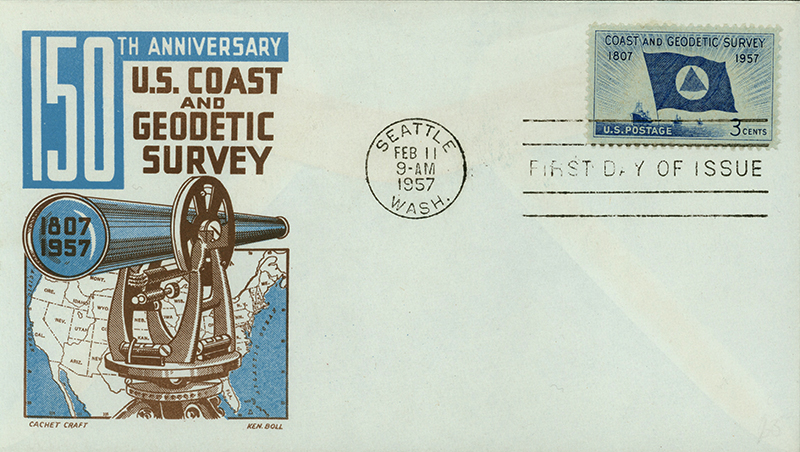
Philatelists send mail to each other just for the sake of exchanging postage stamps. The envelopes they use are carefully applied with postage stamps and cancellation marks. They call this a philatelic cover.
Often times, covers do not contain any letter at all. Philatelists even send philatelic covers addressed to themselves!
Collecting covers is a legitimate part of stamp collecting. Envelopes that were meant to be covers were labeled with “philatelic mail” so the postmaster would not put heavy cancellation marks on it.
Philatelic cover anatomy
A cover consists of the following:
Envelope – post offices often issue special envelopes for philatelic covers. Philatelic cover envelopes have elaborate designs.
Postage stamps – stamps play a big role in philatelic cover collecting. Every time a new postal stamp is released in circulation, the post office calls for a special ceremony. This occasion is often marked with a philatelic cover. Commemorative stamps often come with a matching philatelic cover.
Postmark or cancellation mark – this will validate the date when the philatelic cover was cancelled. Dates are important in philatelic cover collecting since most covers are issued to commemorate special events.
Cachet – aside from the stamp cancellation marks, a cover can also be adorned with a picture that is printed, stamped, or glued onto the envelope. This is called a cacheted cover. Covers with no cachets are likewise called un-cacheted covers.
Types of philatelic covers
First day of issue covers
Stamp collectors often wait for a postage stamp’s first day of issue. They often make it a point that the new postage stamps corresponds to the date on the cancellation when they send it. This is called a 1st day cover or an FDC.
Flown philatelic covers
This type of cover falls under astrophilately. When a space shuttle is launched for a mission, philatelists often ask the astronauts to carry envelopes and stamps aboard.
First flight covers are airmail those from an airplane or helicopter.
Mixed franking or mixed postage stamps covers
This is an envelope with a postage stamp from more than one country. Mixed franking covers re common in countries with a transitional government.
For example, a few months after the German troops seized Austria in 1938, both German and Austrian stamps were used in sending mail.
Today, mixed postage stamp covers are no longer valid for postage. But some philatelists intentionally place assorted stamps on envelopes. Some of their mixed frank covers get through the sorting machines in the post office.
Maiden voyage covers
Cruise liners and mail boats issue special postcards and covers during their first trip at sea. These are called maiden voyage covers. These covers are important in sea mail collecting.
Railway covers
Train stations also issue souvenir covers. Those who collect railway mail (railway mail collecting) also fancy railway covers because most of them have souvenir cachets.
How to begin a philatelic collection?
While most definitive stamps come from the post office, majority of American and British philatelic covers are produced privately.
In the US, famous philatelic cover makers are Fleetwood, Staehle, and Colorano. The leading cover makers in Britain are Buckingham and Adrian Brandury.
Only a small fraction of philatelists collect covers. But you can easily find them in stamp collecting stores. You can also buy them online. 2-Clicks has a directory of US first day cover dealers.
How to store philatelic covers?
Envelopes are bigger than stamps so they do not fit inside a stamp collecting album. To avoid creases and accidental tears, store them inside philatelic cover albums.
You can purchase first day cover albums in stamp specialty stores. Also use acid-free stamp mounts so it will not damage the paper.